

Kabul, July18, 2013
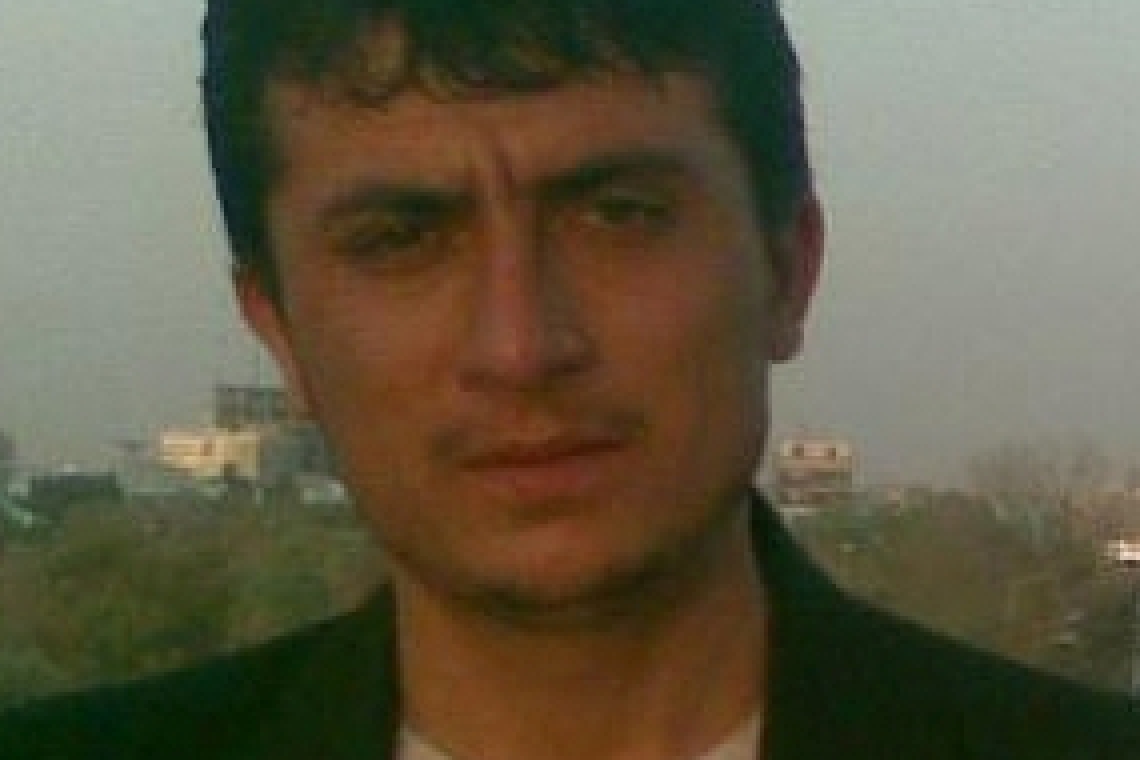
Hailing the release of Azizur Rahman Sakhizada -- a Kabul-based reporter with daily Mandegar -- as a positive move, the Afghanistan Journalists Centre (AFJC) has voiced grave concern at the increasing insecurity haunting media professionals.
It will be pertinent to recall that Sakhizada was arrested in compliance with the attorney general’s orders based on a judicial complaint from the High Office of Oversight and Anti-Corruption head, Azizullah Ludin, on July 5.
Sakhizada had been freed on bail but his dossier remained open, confirmed Mandegar Editor-in-Chief Nazari Paryani, who said: “I have been asked to accompany the reporter to the attorney office on Saturday, July 20.”
Ludin’s complaint was triggered by a May 29 election story in the newspaper, alleging that senior officials within his office were involved in corruption and fraud. Ludin filed his complaint although the newspaper published his written reply five days after the original story appeared.
On July 16, Paryani said, the Ministry of Information and Culture had invited him to participate in a “Media Complaint Commission” panel to review Ludin’s grievance.
“I was invited to the session to defend Sakhizada. Since this commission has no legal basis, I don’t want to be part of its panel and will not accept whatever comes out of it,” Paryani vowed.
Ludin is also involved in another judicial complaint against the paper, whose editor received a phone call that he had been awarded a 30-month jail sentence in absentia on June 5.
Paryani, who has appealed, was never told about the original trial held on March 2. He said: “In the current situation, with presidential and provincial elections due in 2014, followed by withdrawal of NATO troops, these actions against us may reflect a desire to impose limits on the freedom of information and to pressure the media to censor themselves."
Under the relevant law, such complaints should be processed by the Media Commission, which may refer them to the judiciary. AFJC office-bearer Ahmad Quraishi said the commission was yet to be set up and the “arrest of a journalist, without being reviewed by the commission is an illegal act.”
Increasing violence
Last three months represented a harshest time for journalists, with the Afghanistan Journalists Centre recording 15 incidents of violence, including the murder of two media professionals, in Kunduz and Kapisa provinces.