

January 26, 2026
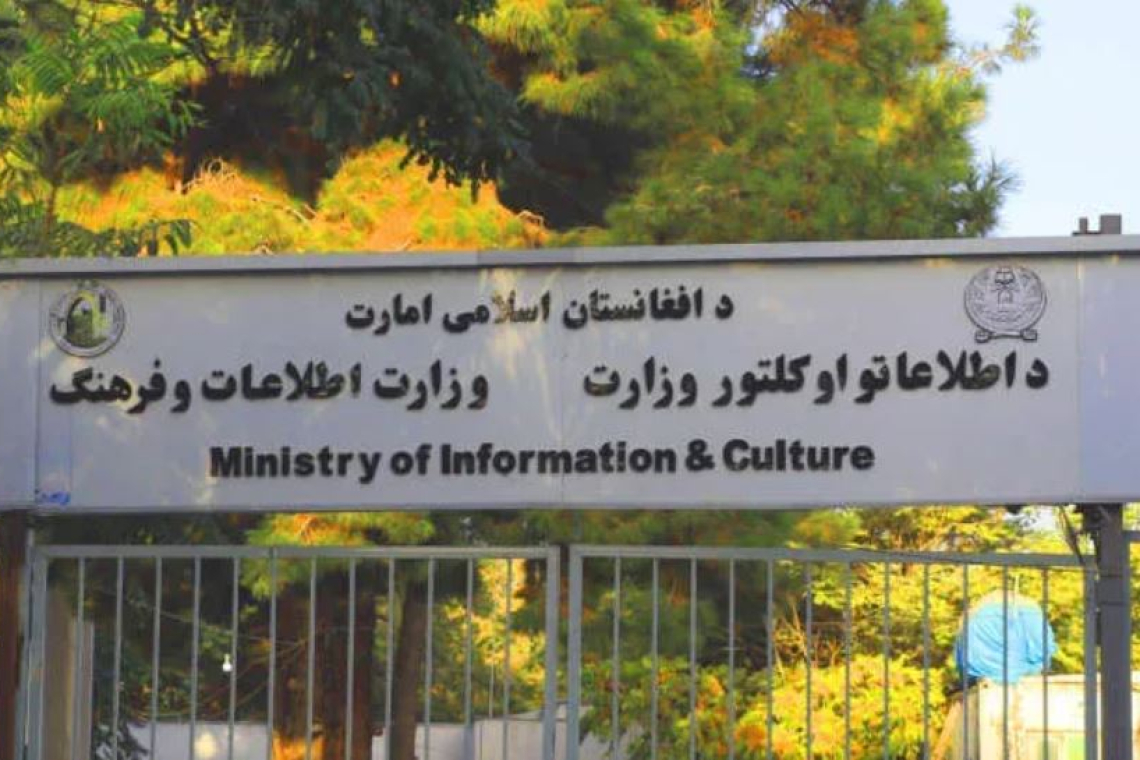
Kabul – The Afghanistan Journalists Center (AFJC) strongly condemns the recent actions by the de facto Ministry of Information and Culture, which have resulted in the unlawful revocation of licenses of multiple media and journalistic organizations across the country. These actions represent a serious violation of press freedom and threaten the fundamental rights of journalists and media outlets.
According to credible sources in Kabul, at least ten organizations have had their licenses revoked, with only three organizations having their licenses renewed. The de facto Ministry’s official statement, published on X (formerly Twitter) on January 26, 2026, claims that “the proliferation of organizations and the unprofessionalism of their officials have caused more problems for journalists and media outlets than they have resolved, damaging the international credibility of Afghan media organizations.” The statement further states that “only three media organizations have had their licenses renewed,” and that “the revocation aims to protect the rights of journalists and media outlets and prevent the misuse of media and journalist identities.”
A representative from a media defense organization, whose license was revoked, told AFJC that their license was rescinded through an official letter dated January 25, 2026. The letter states that the Ministry, citing its administrative authority, has suspended all activities of the organization and declared its license null and void from the date of the letter, prohibiting any further operations. He rejected the de facto Ministry’s reasoning, asserting that no assessment of the organization’s work has been conducted, and accused the de facto authorities of seeking to exert complete control over the media landscape.
AFJC’s investigations reveal that these license cancellations primarily target organizations that, prior to the Taliban’s return to power in August 2021, held legal authorization to operate within Afghanistan. Due to ongoing restrictions and repression of media freedom under Taliban rule, many of these organizations have been limited to conducting restricted journalist training activities rather than independent operations in support of media freedom in Afghanistan.
A Kabul-based journalist, closely monitoring the situation, confirmed that, aside from the Afghan Journalists Safety Committee (AJSC), which was licensed before the Taliban’s return, and two newly established organizations — the Afghan Journalists and Media Support Organization and the Afghan Press Center — at least ten other media entities have had their licenses revoked. The journalist also indicated that the status of several other organizations licensed by the de facto Ministry of Justice remains uncertain, with further actions against them anticipated.
AFJC reiterates that the de facto Ministry of Information and Culture’s decision to revoke these licenses is unlawful and constitutes a blatant violation of Afghanistan’s international obligations to uphold media freedom and freedom of expression. These measures are part of a broader pattern of suppression and censorship aimed at monopolizing information, silencing independent voices, and promoting propaganda aligned with the de facto authority’s narrative.
AFJC calls on the international community, human rights organizations, and relevant UN bodies to urgently address these violations and press for the reinstatement of licenses and the protection of journalists’ rights in Afghanistan. AFJC emphasizes that a free and independent press is essential for accountability, transparency, and the protection of human rights.
AFJC urges the de facto authorities to cease these repressive actions and to respect the Afghanistan Media law and the international standards on media freedom and journalists’ safety.