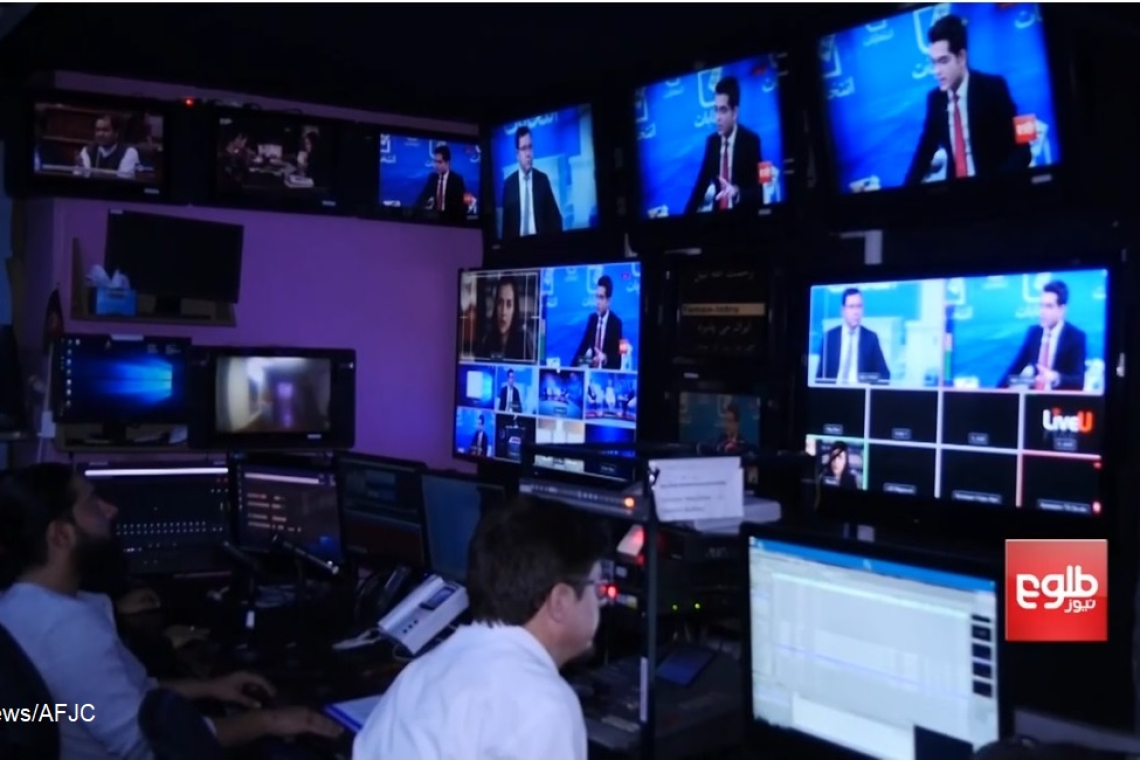
May 2, 2026 — Kabul — On the eve of World Press Freedom Day, the Afghanistan Journalists Center (AFC) voices grave concern over the escalating crackdown on media freedom in Afghanistan and the ongoing detention of journalists across the country. AFC warns regarding the potential consequences of this ongoing trend and the crisis it has precipitated, which is pushing the nation toward a descent into darkness.
A Worsening Crisis in Media Freedom
As the world prepares to observe World Press Freedom Day on May 3, 2026, new findings from the AFJC reveal an alarming expansion of repression since May 2025. Over the past 12 months, at least 150 incidents of violations of media freedom across the country. These include threats, arrests, censorship, and violence, reflecting a deliberate effort to silence independent voices.
While the total number of incidents has decreased compared to the previous year (215 incidents including 50 arrests from May 2024 to May 2025), the nature and severity of these violations have intensified, signaling a deepening crisis of repression.
Key Incidents and Restrictions
Media Bans and Closures: An official ban on publishing images of living beings has expanded to eight additional provinces, now officially enforced in 25 out of 34 provinces. At least 8 local television stations have been closed due to bans on publishing images of living beings and visuals interviews, and 11 media outlets or organizations have been shut down for non-compliance with de facto directives.
- License Suspensions: At least 10 media support organizations and journalist associations have had their licenses revoked.
- Access to Information: Restrictions on visual reporting and interviews are now widespread across about half of de facto’s 31 ministries and agencies, severely limiting journalists’ ability to report freely.
- Content Control: Media outlets face increased pressure to conform to prescribed narratives, with restrictions on interviewing individuals not approved by de facto authorities. Some outlets providing educational content for girls—affected by bans on higher education—have been suspended following contacts with girls or mentions of female students during live programs.
- Restrictions on Female Journalists: Tighter controls include bans on broadcasting women’s voices in several provinces and censorship of women’s participation during official press briefings.
- Detentions and Forced Confessions: At least 20 journalists and media workers have been detained, with five targeted for not adhering to the moral police’s dress codes, such as beard length. Four detainees remain in custody, accused of disobedience or non-compliance with media restrictions. For the first time since the Taliban’s return to power in 2021, the General Directorate of Intelligence (GDI) has publicly released four forced confessions from detained journalists, underscoring an atmosphere of fear and repression.
Legal Framework and Policy Developments
Since the Taliban’s return to power, the de facto authorities have nominally claimed adherence to the media laws of the previous Republic government, notably the Public Media Law, which recognized certain freedoms within a legal framework. However, these assurances have been progressively abandoned. Today, official directives—both written and oral—serve as the basis for severe restrictions, including the Law on the Promotion of Virtue and Prevention of Vice, which grants broad authority to the morality police enforcers and officials, further constraining journalistic activities.
Controlled Narratives and Suppressed Dissent
In addition to direct repression, the de facto authorities have established structures—both official and unofficial—to produce propaganda that promotes a singular narrative aligned with the regime’s interests. These efforts are supported financially and ideologically, marginalizing independent voices and fostering a climate of self-censorship. Local media outlets, particularly in provinces, face operational restrictions, declining revenue, and the migration of journalists seeking safety abroad.
A Call to Action
AFJC emphasizes that independent media and journalists are vital to Afghanistan’s future. They serve as the voice of the people, holding power to account and providing essential information. AFJC calls on the de facto authorities to:
- - Reconsider and revoke oppressive policies
- - Release all detained journalists
- - Guarantee the right to freedom of expression without threats, harassment, or detention
Furthermore, AFJC urges the international community to stand in solidarity with Afghan journalists. This support should include political, financial, and technical assistance to sustain independent media outlets and protect at-risk journalists within and outside Afghanistan.
As Afghanistan approaches World Press Freedom Day, AFC warns that without urgent action, the country risks losing its remaining independent voices, plunging further into informational darkness and authoritarian repression. Protecting journalists and media freedom must be a global priority to ensure the rights of Afghan people to access truthful, diverse, and independent information.