Kabul, November 21, 2023- The Afghanistan Journalists Center (AFJC) announced today its concerns regarding the restrictions imposed on television stations in Afghanistan by the Taliban. These guidelines, both quantitative and qualitative, have had a devastating effect on the media in the country.
"World Television Day" was designated by the United Nations General Assembly in 1996 with the aim of encouraging countries to exchange television programs that promote peace, social and economic development, and cultural advancement within society.
Following the collapse of the Taliban government in 2001 and the establishment of the republican system in Afghanistan, media freedom was recognized in the constitution, and laws governing media set the foundation for the growth and progress of the media industry. Unfortunately, after the fall of the government and the Taliban's return to power in August 2021, the media, including television stations, faced increasing limitations.
According to research by the Afghanistan Journalists Center, while the Taliban has indirectly endorsed the mass media law and stated that adjustments have been made and sent for approval to the Taliban leadership in Kandahar, in the past two years, they have issued instructions that contradict the media law in practice. Out of the 14 directives issued during this period, four specifically target television stations, while the others apply to all forms of media.
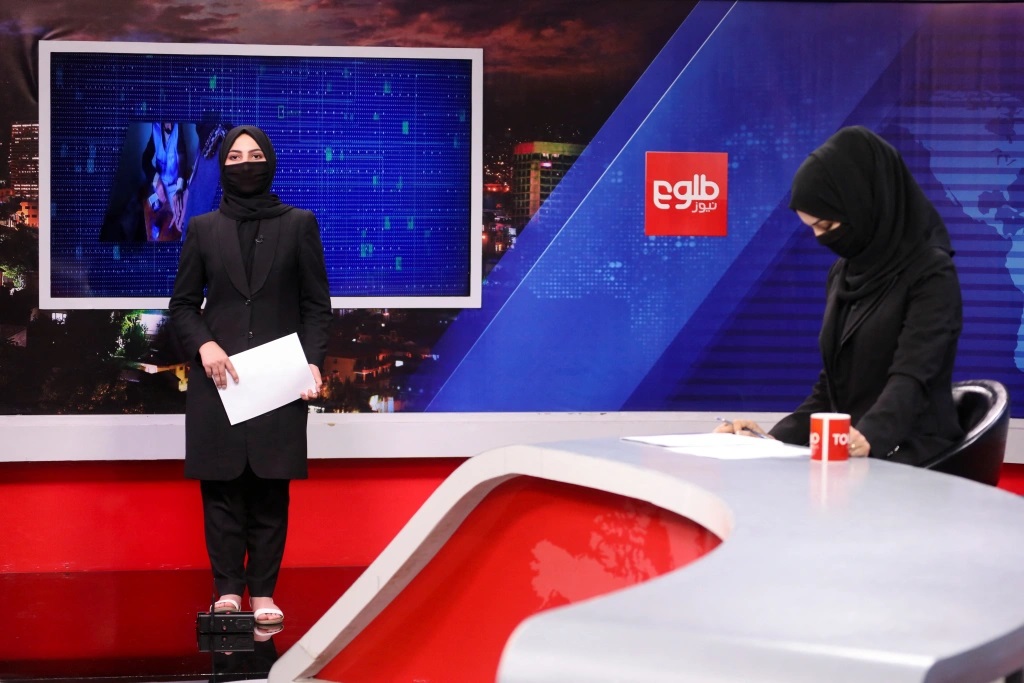
These directives have included restrictions such as preventing women from working in national television, prohibiting their appearance in television dramas and films, requiring women to wear masks on-screen, banning filming and video interviews (Helmand province), prohibiting the broadcasting of international television programs in Afghanistan.
Additionally, there are 10 other directives that have negatively impacted television stations and the broader media landscape. These include banning media coverage of demonstrations and civil protests, imposing restrictions on accessing and publishing news, requiring journalists and media outlets to endorse the Taliban as the legitimate government of Afghanistan, banning the publication of music in media, segregating men and women within media organizations, banning interviews with opponents and critics of the Taliban, prohibiting political, security, and socially-themed commercial announcements, preventing criticism of Taliban officials' performance, banning collaborations with "Prohibited media," and prohibiting the broadcasting of women's voices in local media (Helmand province).
While these orders do not specify the consequences for non-compliance, the AFJC's findings indicate that media officials and journalists who have disregarded these directives have faced threats and imprisonment. Media outlets that have violated these guidelines have also been penalized, including the suspension of their operations.
On this World Television Day, the AFJC implores the international community to support media freedom, specifically the operations of television stations, in accordance with the Afghanistan’s Media Law.
Furthermore, the AFJC urges the Taliban to reconsider the extralegal media guidelines that have led to the closure of numerous media outlets, including television stations, and severely restricted the scope of media work in the country. Recognizing the significance of an independent media, the AFJC calls upon the Taliban to respect and support media freedom and operations in alignment with Afghanistan's media law.