

August 25, 2022
Kabul-- The Afghanistan Journalists Center (AFJC) has released its report on the state of media freedom in Afghanistan during the first year of Taliban rule. The report reveals a significant increase in violations of media freedom and the closure of nearly half of the country's media outlets.
The findings indicate a concerning deterioration in press freedom over the past year, characterized by censorship, detentions, assaults, and restrictions on media outlets, journalists, and particularly women journalists.
Covering the period from August 15, 2021, to August 15, 2022, the report highlights a total of 245 cases of violations against media freedom in Afghanistan. This includes 130 cases of short-term detention of journalists, ranging from one hour to several months, often accompanied by physical violence, insults, and even torture. Moreover, the report documents at least 80 instances of threats, 28 incidents of physical harassment, predominantly by Taliban security forces, and five cases of injuries inflicted by the Taliban.
Tragically, AFJC records two cases of killings during this timeframe. Alireza Ahmadi, a reporter for Raha News Agency, and Najma Sadeqi, a former presenter of Jahan-e-Sehat TV channel, lost their lives in the deadly explosion at Kabul Airport while attempting to flee the country following the fall of Kabul in mid-August 2021.
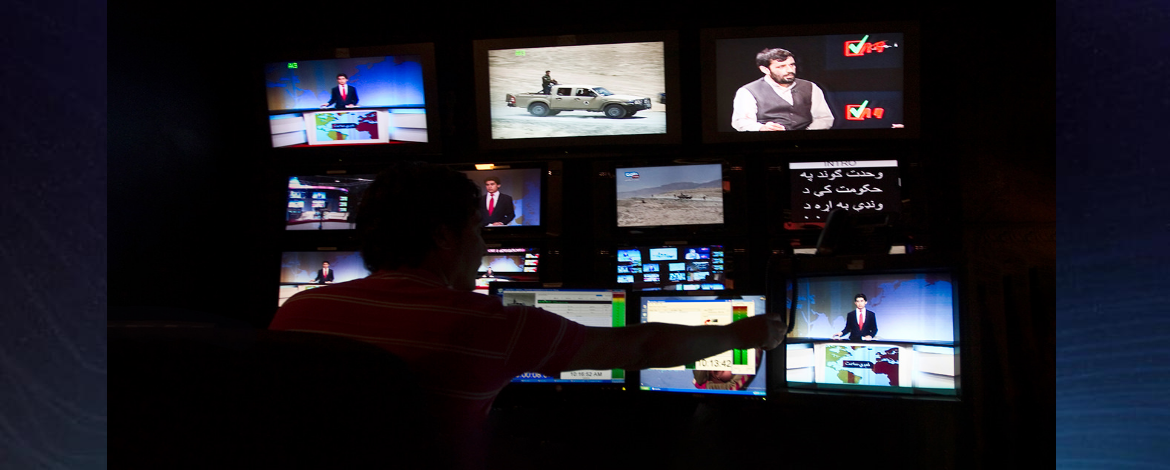
The report points out that over half of the 600 media outlets, including radio, television, print, and online platforms, have ceased operations. Additionally, more than 60% of journalists and media employees have been unable to work since the Taliban assumed power. The findings further indicate that over 30% of the remaining media outlets are on the brink of collapse due to significant decreases in funding, absence of media professionals, lack of rights and business advertisements, and increasing restrictions imposed on the media. These restrictive measures have paved the way for censorship and persecution, severely compromising journalists' independence. Female journalists are largely barred from state-run media outlets, with those in the private sector only permitted to appear on TV if their faces are concealed.
Media outlets now need to seek permission before publishing, and without the ability to broadcast music and entertainment programs, sources of advertising revenue have dwindled, leading to the closure of numerous outlets.
There are concerns that the current environment of apprehension could be exploited to harass female journalists, many of whom have already fled the country in the aftermath of the Taliban's takeover last year.
In light of these alarming circumstances, AFJC calls for the respect of press freedom in Afghanistan and an end to all forms of press freedom violations. The organization urges the Taliban to implement Afghan media laws, including those governing mass media and access to information, to guarantee press freedom. Furthermore, AFJC calls for the reinstatement of the joint media and government committee established in 2016 to address security concerns and press freedom violations.
AFJC appeals to the international community to stand in solidarity with Afghan journalists and help ensure their safety and media freedom. The organization also calls on the international community to increase its support for Afghanistan's media, as this will contribute to the preservation of press freedom and freedom of expression.